|
|
|
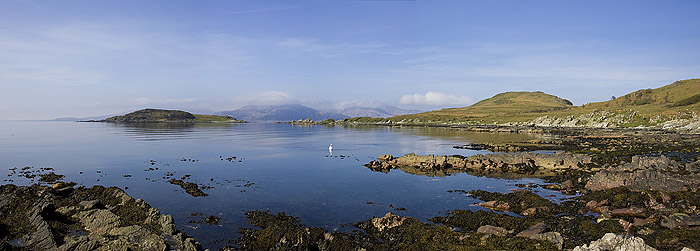
Poll a' Cheò bay, Jura, Scotland
|
| May was a month full of variety. Birds, insects, flowers and scenery were photographed in equal measures. |
|
|
|
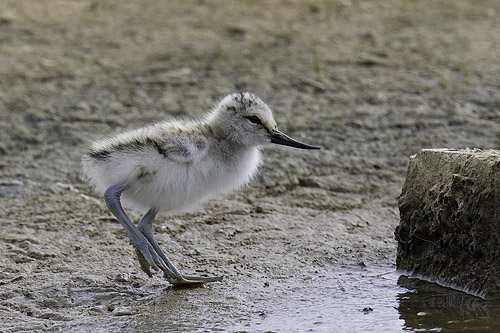
Pied Avocet (Recurvirostra avosetta) chick
|
| Avocets are continuing to increase their numbers at Marshside (just north of Liverpool), and several chicks were exploring the pool edges close to the main hide. |
|
|
|
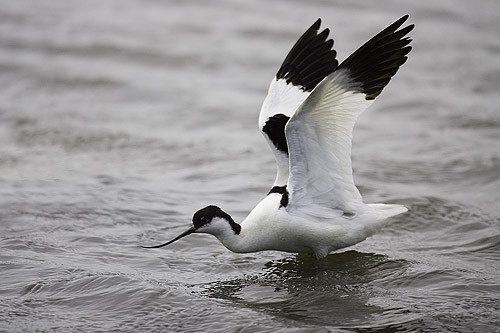
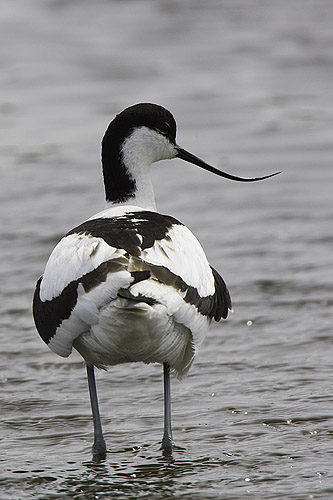
Pied Avocet (Recurvirostra avosetta)
|
 |
 |
|
Pied Avocet (Recurvirostra avosetta)
|
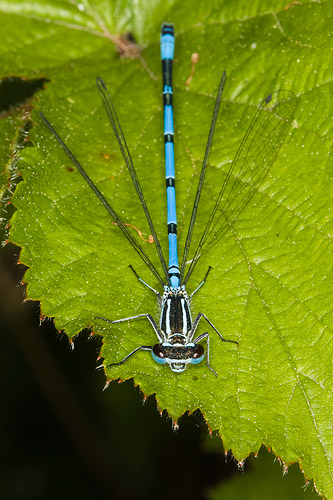
Azure Damselfly (Coenagrion puella)
|
|
| The highlight of the month for me was a one week non-birding holiday with two very good friends on the beautiful Scottish island of Islay. We were very lucky with the weather, which was ideal for bringing out the full beauty of the landscape in the photographs. |
|
|
|
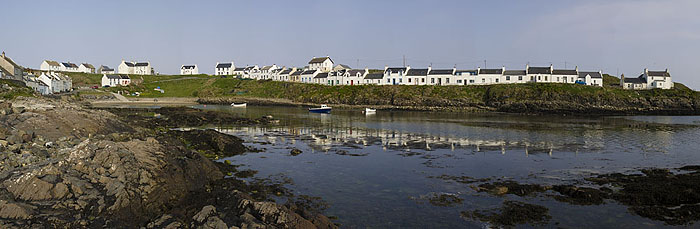
Portnahaven Harbour, Islay, Scotland
|
|
|
|
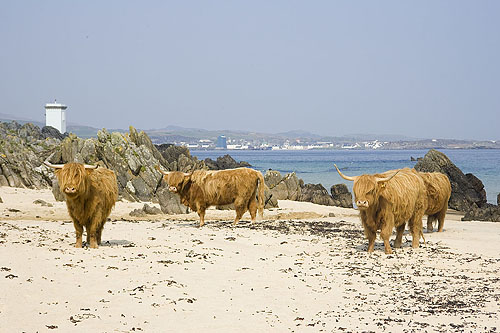
Highland Cattle on the Singing Sands with Port Ellen in the background. Islay, Scotland
|
 |
 |
|
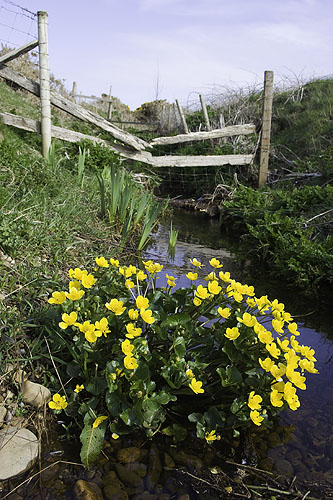
Marsh Marigolds (Caltha palustris) - Islay, Scotland
|
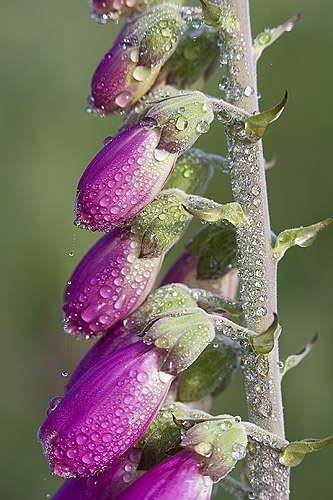
Foxglove (Digitalis pupurea) - Gwynedd, Wales
|
|
| Spring flowers were much in evidence throughout the month... |
|
|
 |
|
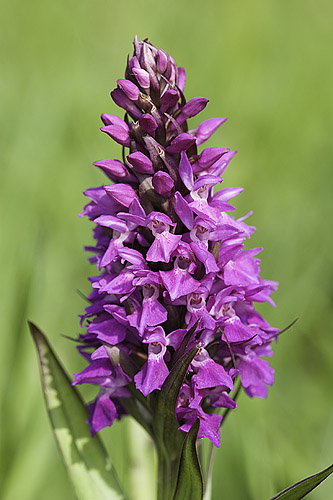
Early Purple Orchid (Orchis mascula) - Cheshire, England
|
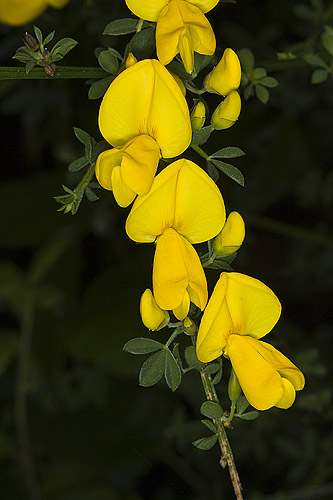
Broom (Cytisus scoparius) - Angelsey, Wales
|
|
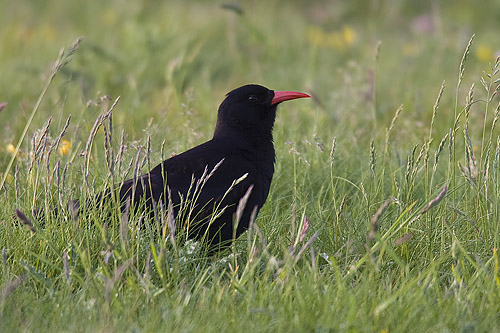
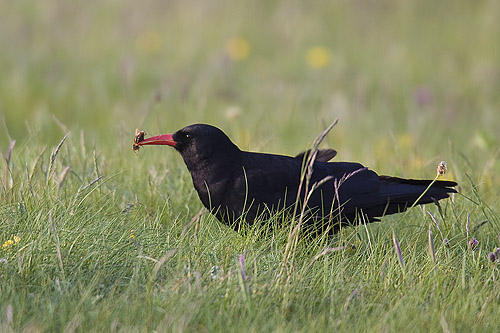
| Although we did see Choughs on Islay, these were photographed on Anglesey, later in the month. |
|
|
|
|
|
Chough (Pyrrhocorax pyrrhocorax) - Anglesey, Wales
|
|
|
|
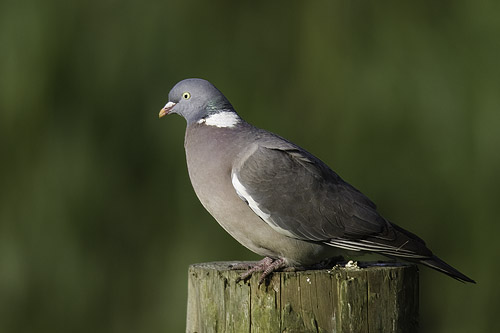
Woodpigeon (Columba palumbus)
|
| I also spent a lot of time working on my insect portfolio in Wales and around the fields and hedgerows in the local vicinity of the village in Cheshire where I currently live... |
|
|
|
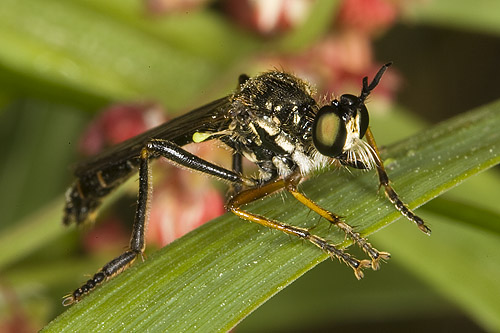
Common Red-legged Robberfly (Dioctria rufipes)
|
| This robberfly is easily identified by the combination of the front 2 pairs of legs being completely orange-red and almost wholly black hind legs. They are usually found in long grass around clumps of nettles, umbellifers or brambles where they sit in wait for their prey. |
|
|
|
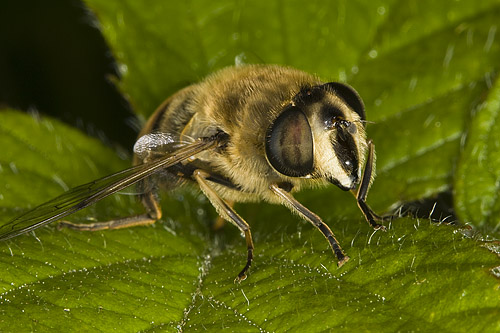
Drone Fly (Eristalis tenex)
|
| A good bee mimic, the drone fly is a widespread and abundant species throughout the UK. |
|
|
|
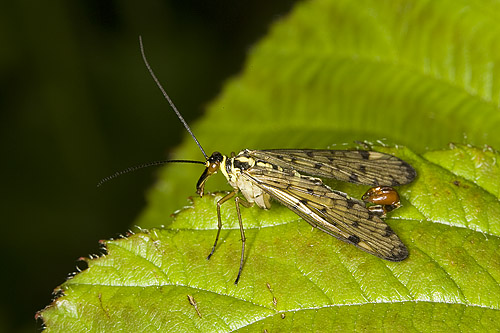
male Scorpion Fly (Panorpa communis)
|
| Scorpion Flies are not really flies at all. They belong to the Mecoptera, which are more closely related to the Lacewings (Neuroptera) than the True Flies (Diptera). |
| Four species of Scorpion Flies occur in Britain. All of which are very similar, but can be separated with care on the basis of the structure of the ventral surface of the genital capsule ("the scorpion tail") of the male. Females, which lack the up-curved tail, are even harder to identify. |
|
|
|
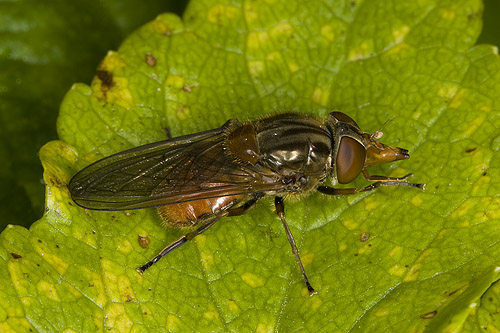
Rhingia campestris
|
| This distinctive, long-snouted hoverfly is common in areas where cows are present. |
|
|
|
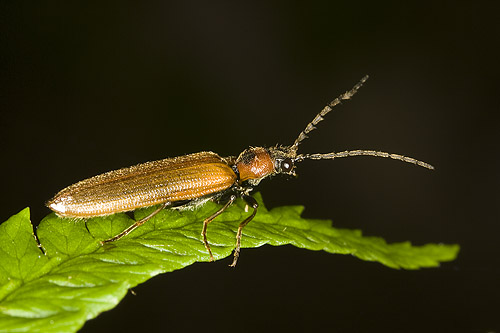
Unidentified beetle. Probably one of the Soldier Beetle family (Cantharidae)
|
|
|
|
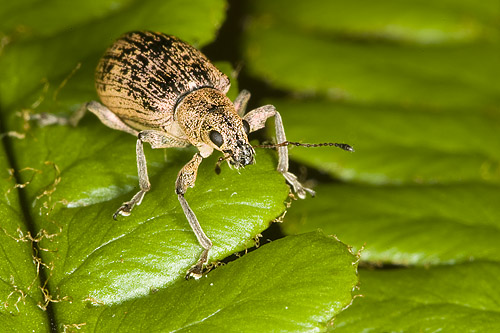
unidentified Broad-nosed weevil (Curculionidae) species
|
|
|
|
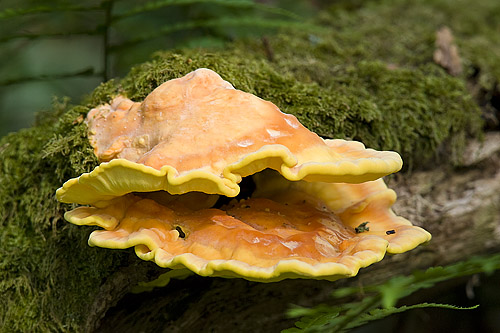
Sulphur Polypore (Laetiporus sulphureus)
|