- Home
- Workshops / Tours
- Diary / Blog
- Galleries
- Foreign Trips
- Tasmania 2016
- NE Queensland 2016
- Western Alps 2016
- NE Spain 2016
- Australia's Wet Tropics 2015
- Australia's Top End 2015
- SW Australia 2015
- Switzerland 2015
- Andalucia 2015
- Belize 2015
- Australia 2014
- Switzerland 2014
- Belize 2014
- Bahama Islands 2014
- Switzerland 2013
- Ecuador 2012-2013
- Florida 2011-2012
- Vancouver Island 2011
- Australia 2010
- Peru 2008
- Bulgaria 2007
- Lesvos 2006
- California 2006
- New Zealand 2005
- Extremadura 2005
- Goa, India 2004
- The Gambia 2003
Southern Peru
25th November-14th December 2008
Paracas
About 250km south of Lima, just off the Pan-American Highway, lies Paracas National Park. The coastal strip between the Pacific and the foothills of the Andes forms the Sechura Desert, one of the driest in the world. This desert merges with the Atacama Desert just south of the border with Chile. Some parts of this desert are over 50 times drier than the notorious Death Valley in California!
Most of the landscape is totally barren with very little vegetation, but the intertidal zone and offshore waters are rich and fertile and attracts a wide variety of shorebirds, gulls, terns and other seabirds.
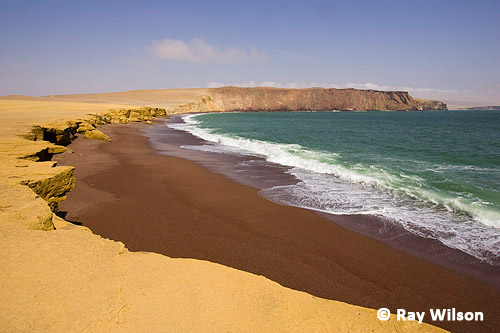
A particularly colourful beach in Paracas National Park
In the austral summer, most of the shorebirds found along the coasts are migrants from North America.
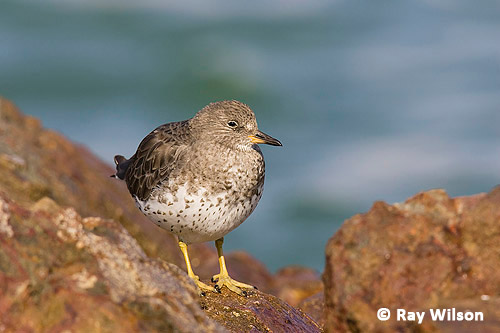
Surfbird (Aphriza virgata)
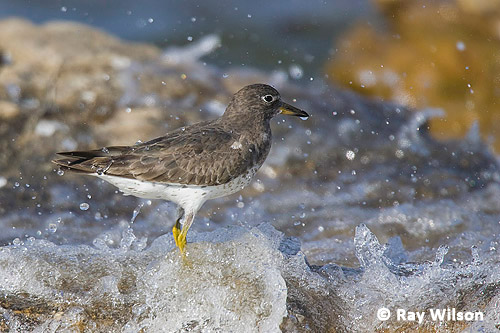
Surfbird (Aphriza virgata)... in the surf!
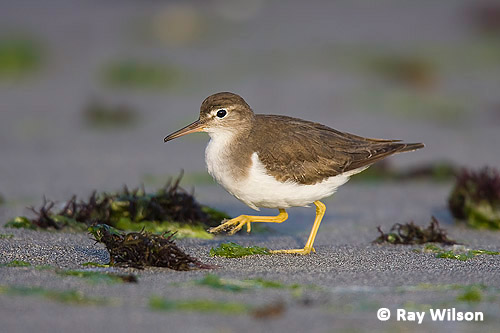
Spotted Sandpiper (Actitis macularia)
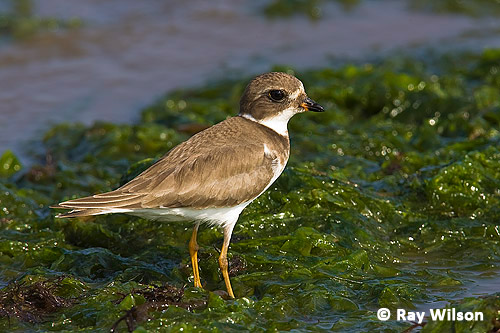
Semipalmated Plover (Charadrius semipalmatus)
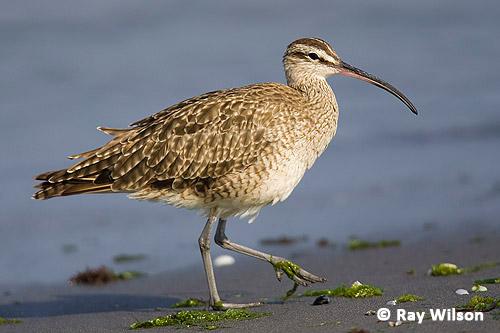
"Hudsonian" Whimbrel (Numenius phaeopus hudsonicus)
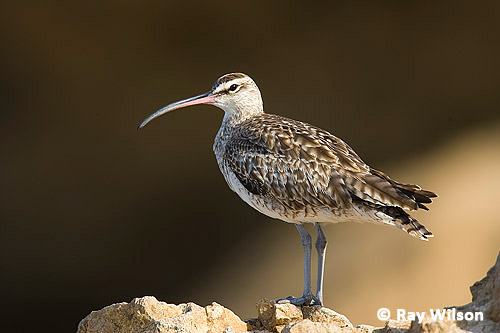
"Hudsonian" Whimbrel (Numenius phaeopus hudsonicus)
American Oystercatchers are common residents along the coast of Peru.
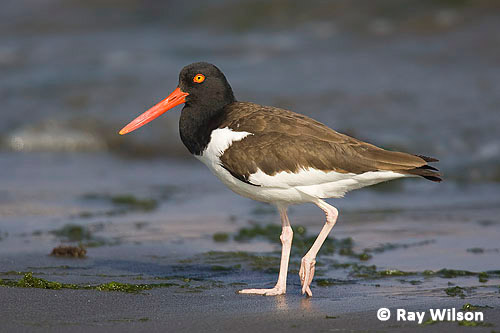
American Oystercatcher (Haematopus palliatus)
The two American races of Kentish Plover are commonly known as "Snowy Plover". The South American race, occidentalis, is only found on the coasts of Peru and Chile.
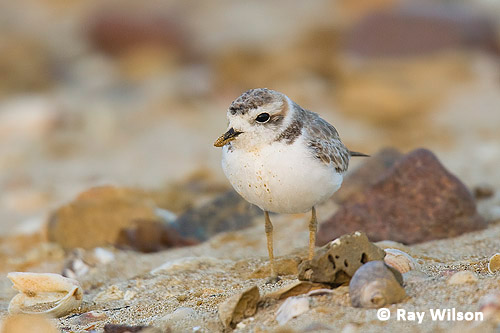
Snowy Plover (Charadrius alexandrinus occidentalis)
Several of the Nearctic shorebirds that spend their winter in Peru are also common on the European side of the Atlantic...
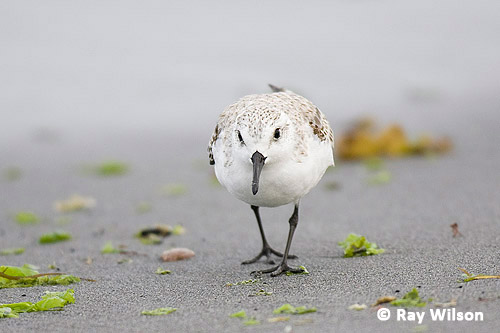
Sanderling (Calidris alba)
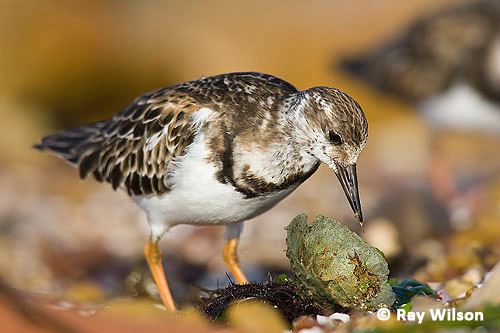
Ruddy Turnstone (Arenaria interpres)
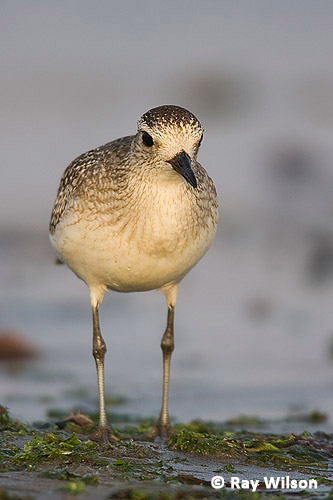 Grey (Black-bellied) Plover (Pluvialis squatarola) |
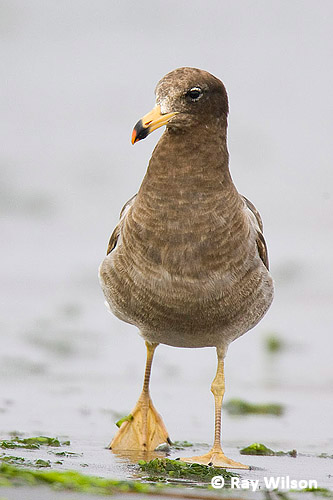 1st-winter Band-tailed Gull (Larus belcheri) |
There is a good selection of gulls too...
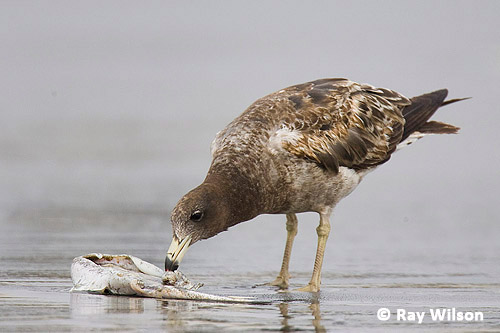
1st-winter Band-tailed Gull (Larus belcheri)
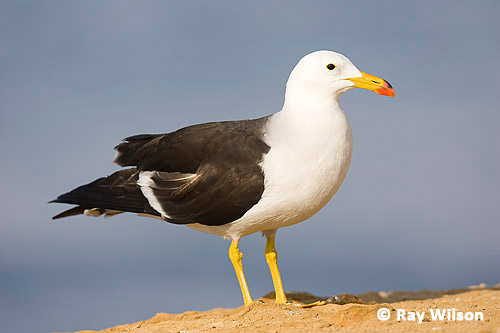
adult Band-tailed Gull (Larus belcheri)
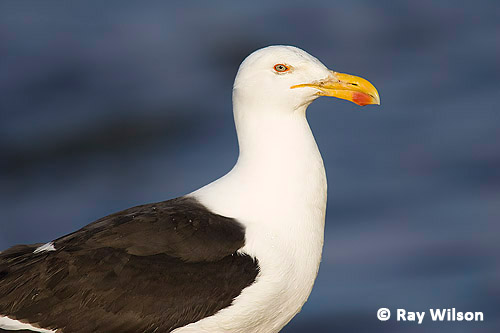
adult Kelp Gull (Larus dominicanus)
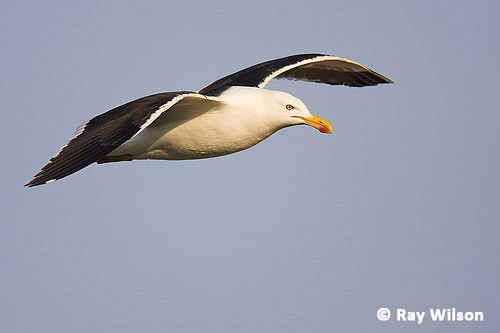
adult Kelp Gull (Larus dominicanus)
Franklin's Gull is an abundant migrant from North America.
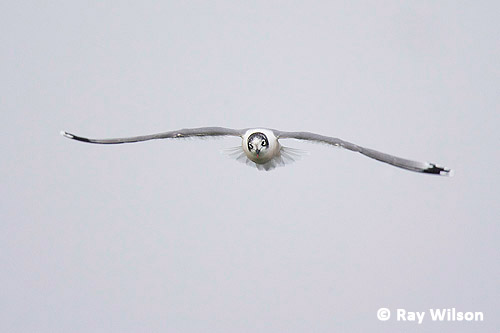
adult winter Franklin's Gull (Larus pipixcan)
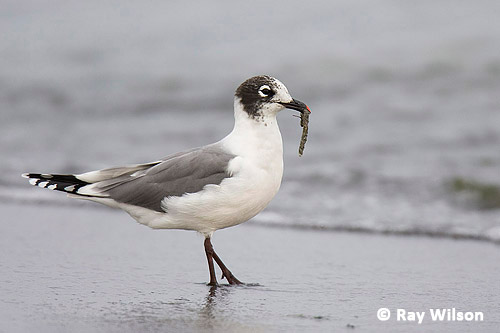
adult winter Franklin's Gull (Larus pipixcan)
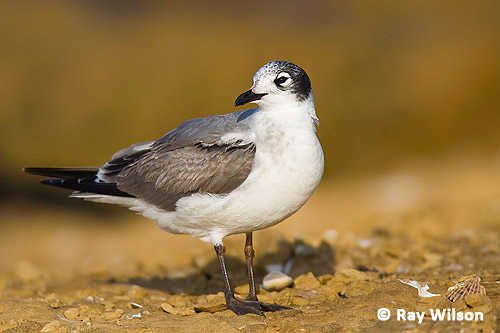
1st-winter Franklin's Gull (Larus pipixcan)
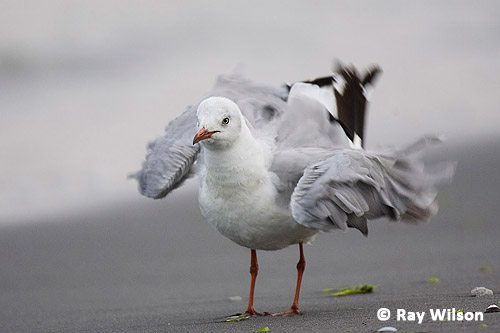
adult winter Grey-headed Gull (Larus cirrocephalus poiocephalus)
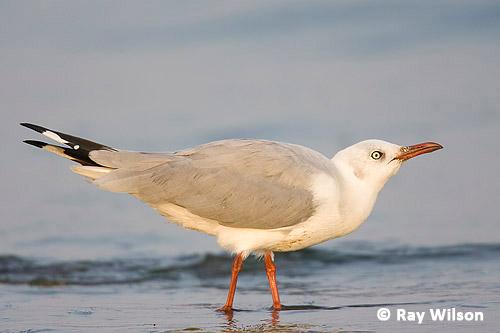
adult winter Grey-headed Gull (Larus cirrocephalus poiocephalus)
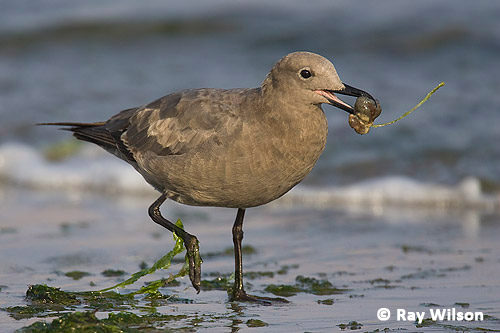
1st-winter Gray Gull (Larus modestus)
Large flocks of Elegant and Royal Terns were present in the National Park, along with smaller numbers of Sandwich Terns and one or two South American Terns.
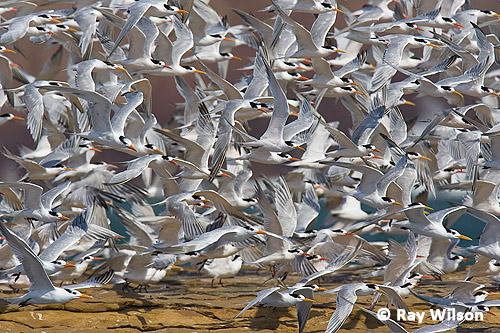
Mixed flock of Royal (Sterna maximus) and Elegant (Sterna elegans) Terns
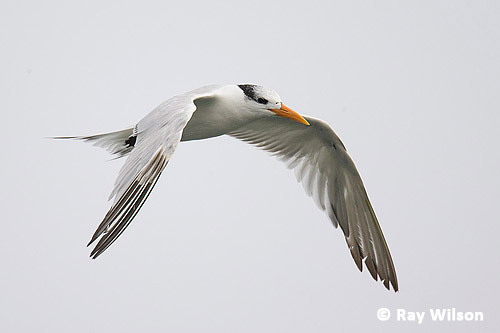
Royal Tern (Sterna maximus)
This young Royal Tern was still valiantly trying to coax its parent to feed it. The adult was trying its best to ignore the persistant youngster.
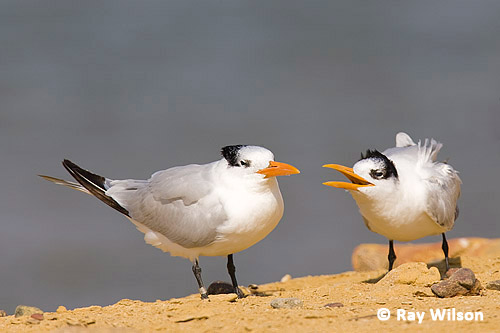
Adult (left) and 1st winter Royal Terns (Sterna maximus)
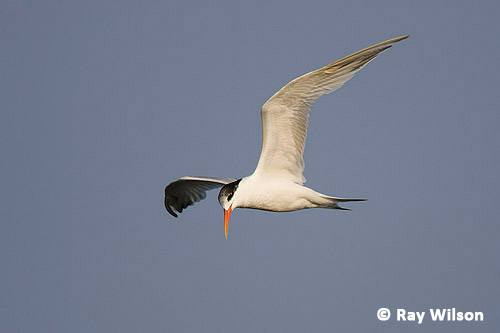
Elegant Tern (Sterna elegans)
Not quite sure what this Sandwich Tern was doing...It is a bit of an odd pose!
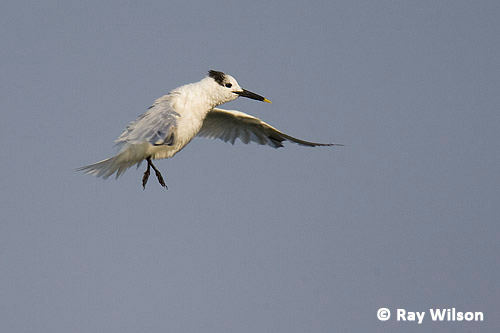
Sandwich Tern (Sterna sandvicensis acuflavidus)
Surf Cinclodes, along with its close relative, the Seaside Cinclodes (which is found along the Chilean coast), is probably the most maritime passerine bird in the world and are found only along the intertidal areas of rocky Peruvian beaches.
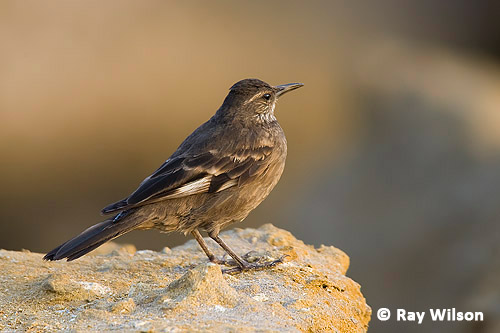
Surf Cinclodes (Cinclodes taczanowskii)
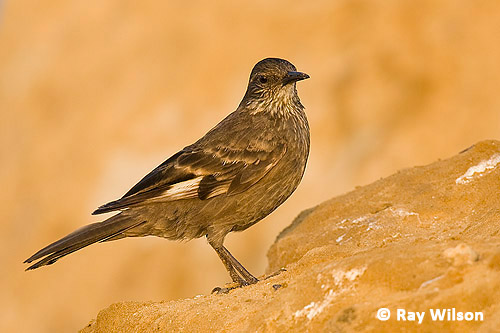
Surf Cinclodes (Cinclodes taczanowskii)
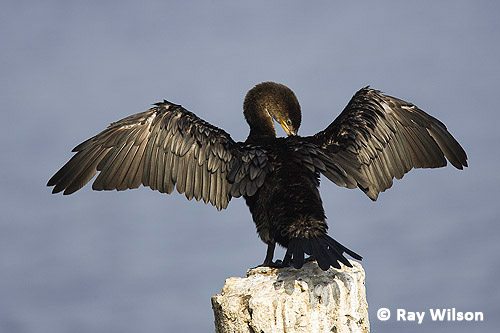
Adult Neotropical Cormorant (Phalacrocorax brasilianus)
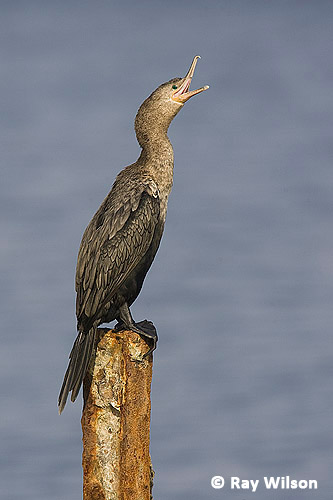 Immature |
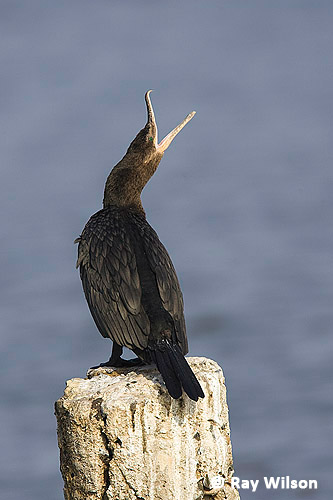 Adult |
Neotropical Cormorant (Phalacrocorax brasilianus)
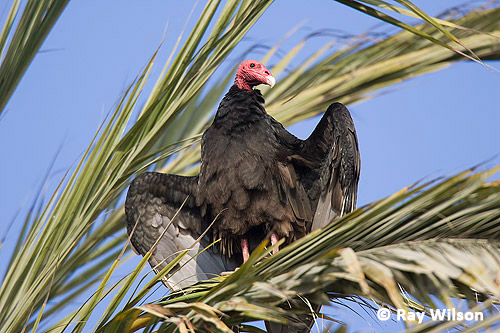
Turkey Vulture (Cathartes aura jota)
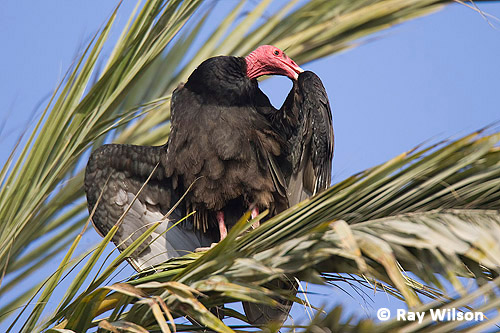
Turkey Vulture (Cathartes aura jota)
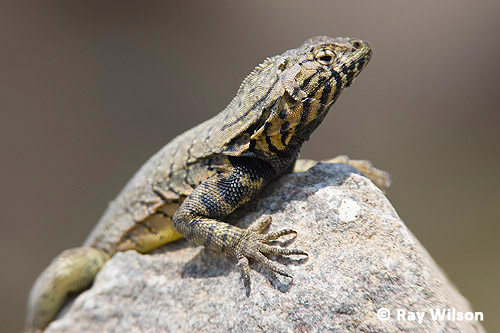
unidentified lizard







Ray Wilson owns the copyright of all images on this site.
They may not be used or copied in any form without prior written permission.
raywilsonphotography@googlemail.com